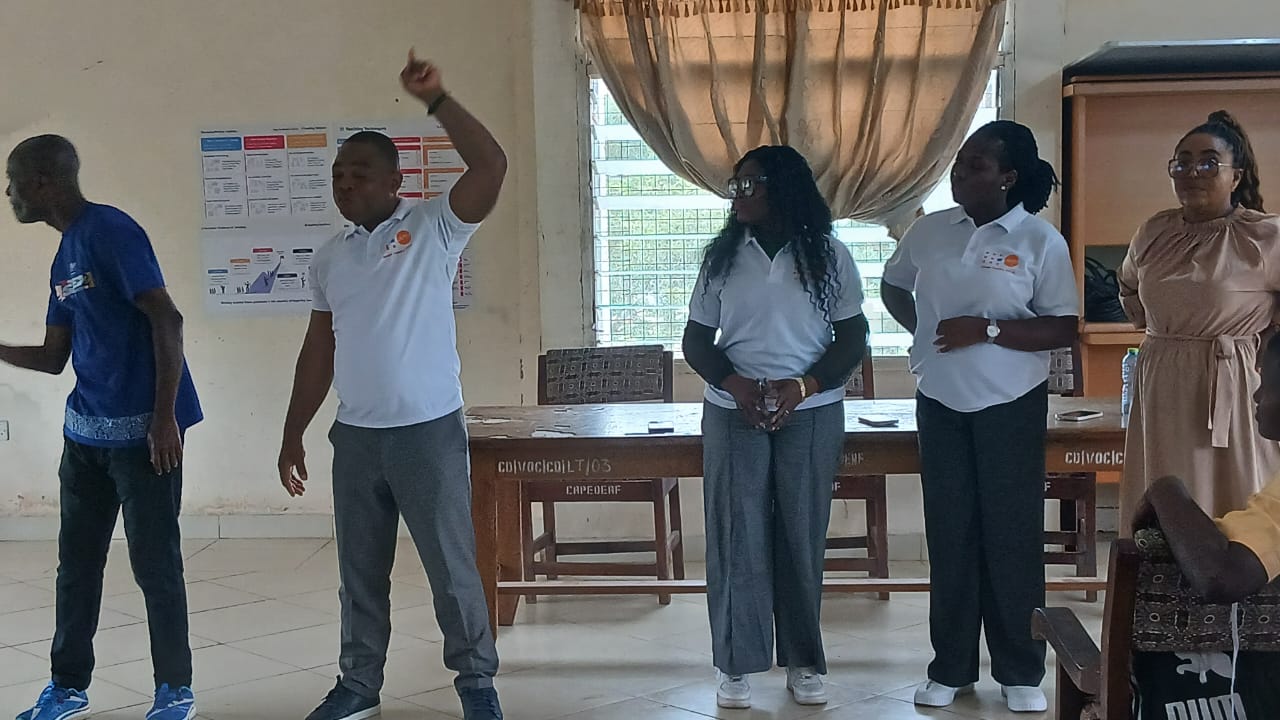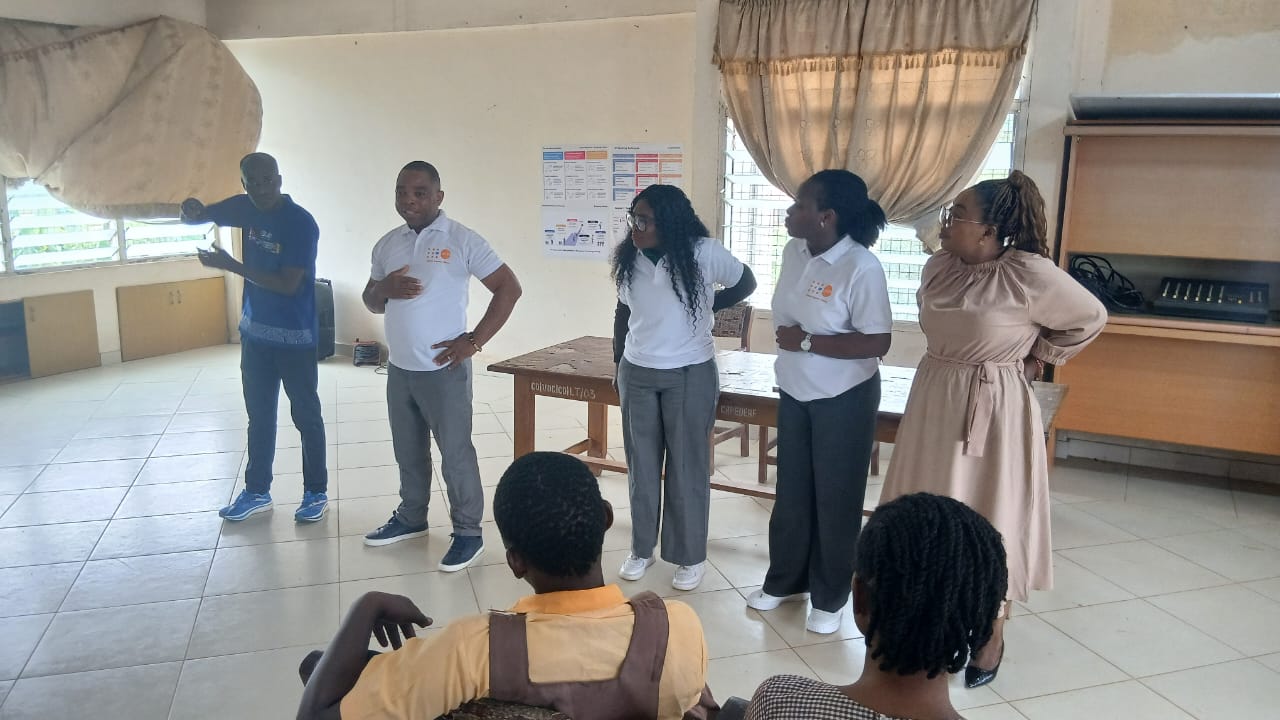
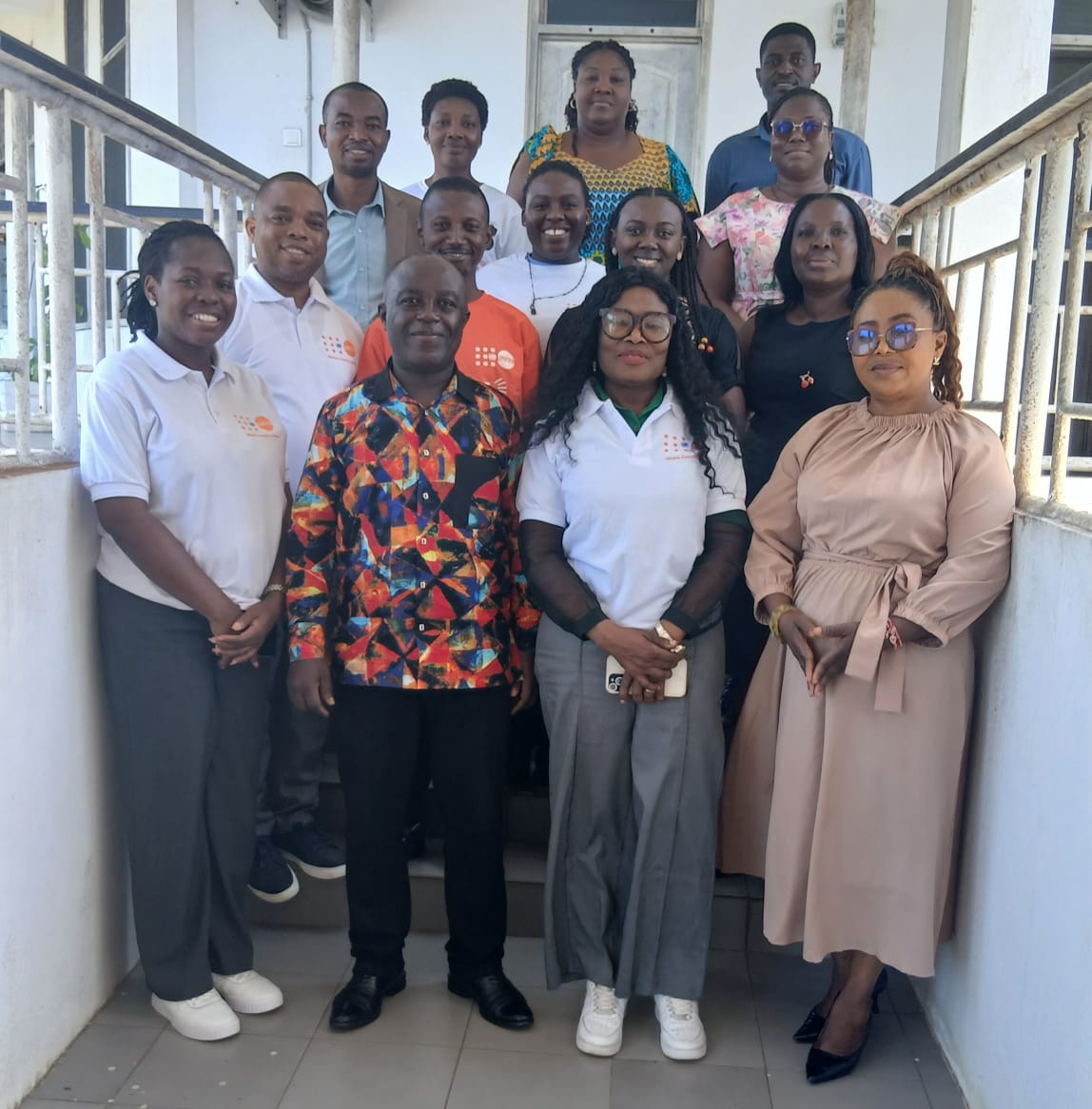
 On 17th September 2026, a team comprising the United Nations Population Fund (UNFPA), the Central Regional Coordinating Council (CRCC), International Needs Ghana, and Planned Parenthood Association of Ghana (PPAG) and Sub-Ips: Ghana Health Service (GHS), National Youth Authority (NYA), Department of Gender (DoG), Centre for Gender Research, Advocacy and Documentation (CEGRAD-UCC) led by Mr. Peter Effah Otoo from the CRCC undertook joint monitoring visits to the Cape Coast School for the Deaf and Blind in the Cape Coast Metropolis, and other beneficiaries at Elmina in the Komenda Edina Eguafo Abbrem Municipality. The team lead from UNFPA, Mr. Ismael Selassie, introduced himself and other members of his team to the participants.
The team was received by Mr Andrew Kwesi Kumah, Director of Administration who stood in for the Central Regional Minister, Hon. Eduamoah Ekow Panyin Okyere. In his welcome address, Mr Kumah aplauded the UNFPA for the support to help reduce child marriage, teenage pregnancy, cohabitation, domestic voilence, and other harmful cultural practices.
He went ahead to inform the team about the region's progress on all implemented activities and those that are yet to be implemented. He assured the team that the Central Region is always ready to partner with the UNFPA in all diverse to develop Central Region and Ghana as a whole.
The team comprising the above-mentioned instutions visited beneficiaries from Cape Coast School for the Deaf and Blind (Cape Deaf), and Artisanal Groups in Elmina.
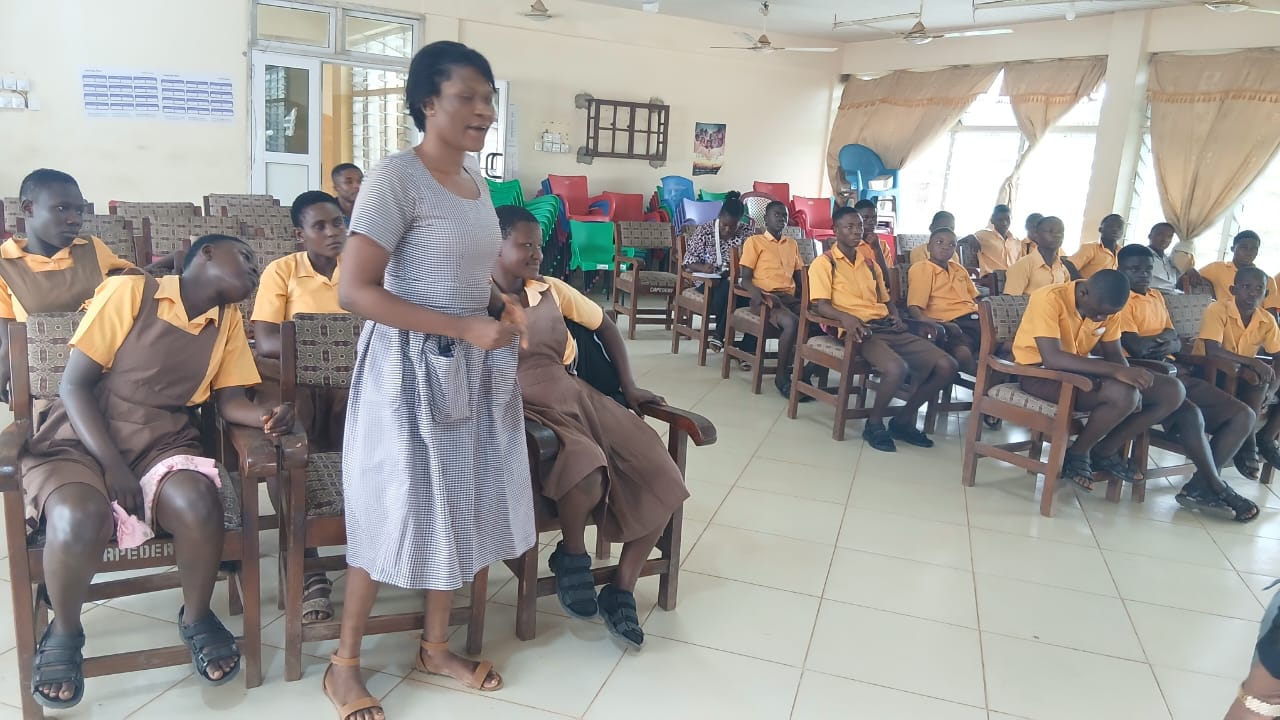
Mr. Gideon Appiah, Headmaster of Cape Deaf, welcomed the monitoring team and thanked the Department of Gender, CRCC, UNFPA, and other stakeholders for their continued engagement with the school. He encouraged the students to actively participate in the monitoring exercise and demonstrate the knowledge gained from previous sensitization programmes.
He explained that the joint monitoring exercise was to engage beneficiaries to assess their understanding of topics or areas on which they were sensitized during previous interventions and assess the impact of the Boys’ Safe Space programme. Key areas of focus included Sexual and Gender-Based Violence (SGBV), menstrual hygiene, teenage pregnancy and child marriage.
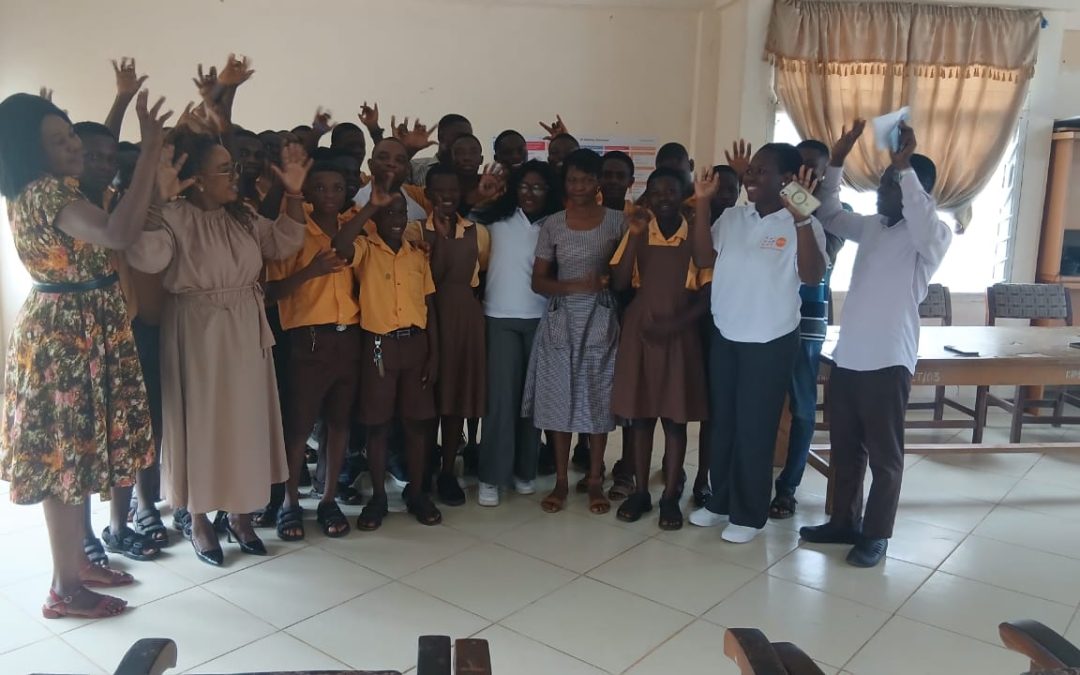
The engagement session brought together 24 beneficiaries comprising 19 boys and 5 girls aged between 10 and 19 years. Mr. Ismael Selassie of UNFPA, interacted with participants and asked about their wellbeing. He explained that the monitoring team was pleased to visit the school and interact with them to learn about their experiences, what they had learnt from previous engagements and how the programme had influenced their knowledge and behaviour over the period.
Mr. Selassie commended the Regional Head of the Department of Gender, Ms. Richlove Amamoo, for her efforts in promoting the wellbeing and development of the students through the Boys’ Safe Space initiative.
In his closing remarks, Mr. Peter E. Otoo,the Ag. Focal Person to UNFPA, on behalf of the Central Regional Coordinating Council and UNFPA, expressed appreciation to the Headmaster and staff of the Cape Coast School for the Deaf and Blind, the facilitators and beneficiaries for their support and active participation in the engagement.
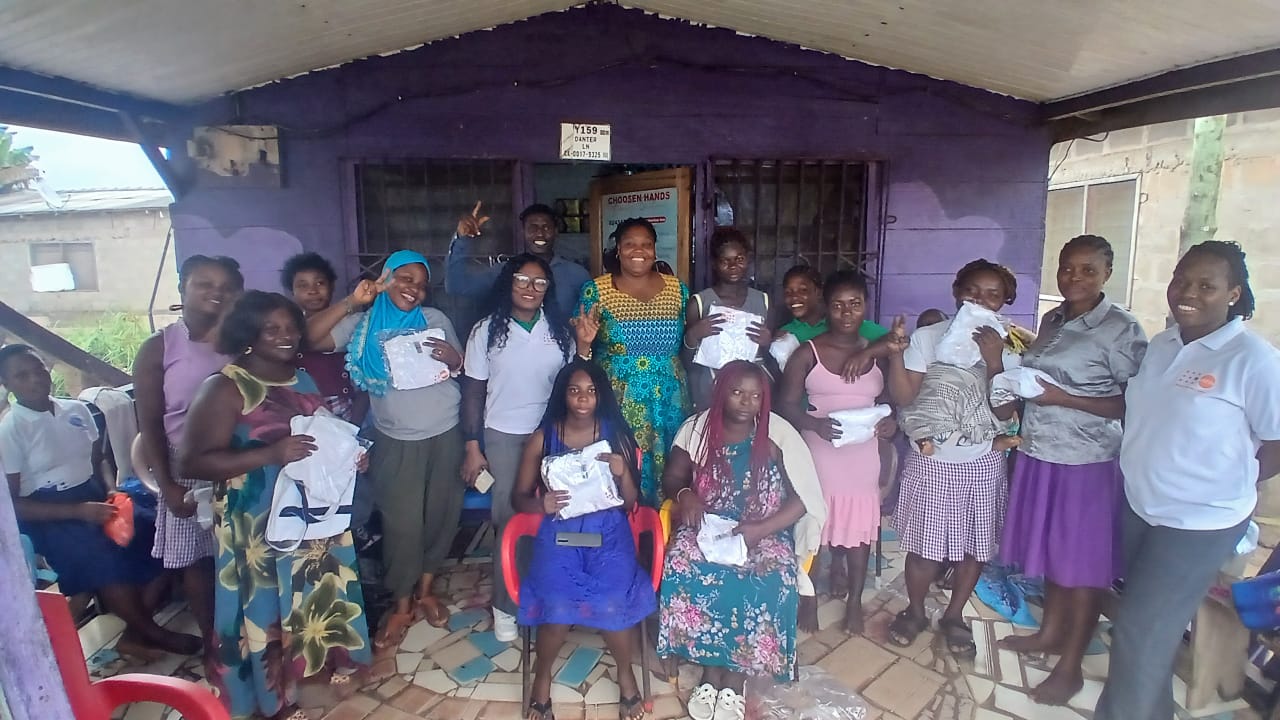
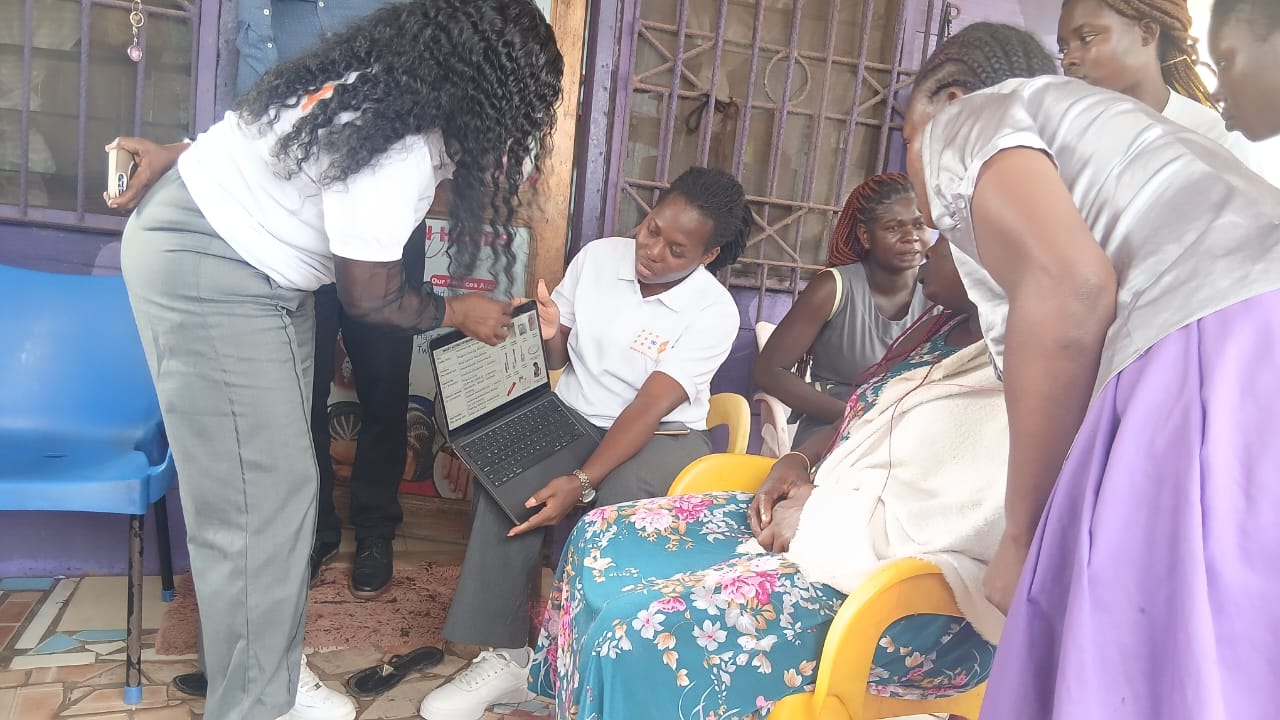
The monitoring team also visited some beneficiaries at Elmina who were sensitized on the consequeces of child marriage, teenage pregnancy, cohabitation, and other harmful cultural practices. During the intervention activity, the National Youth Authority (NYA) sensitized them on family planning and encouraged them to patronise it. The beneficiaries shared their experiences during and after the intervention.