
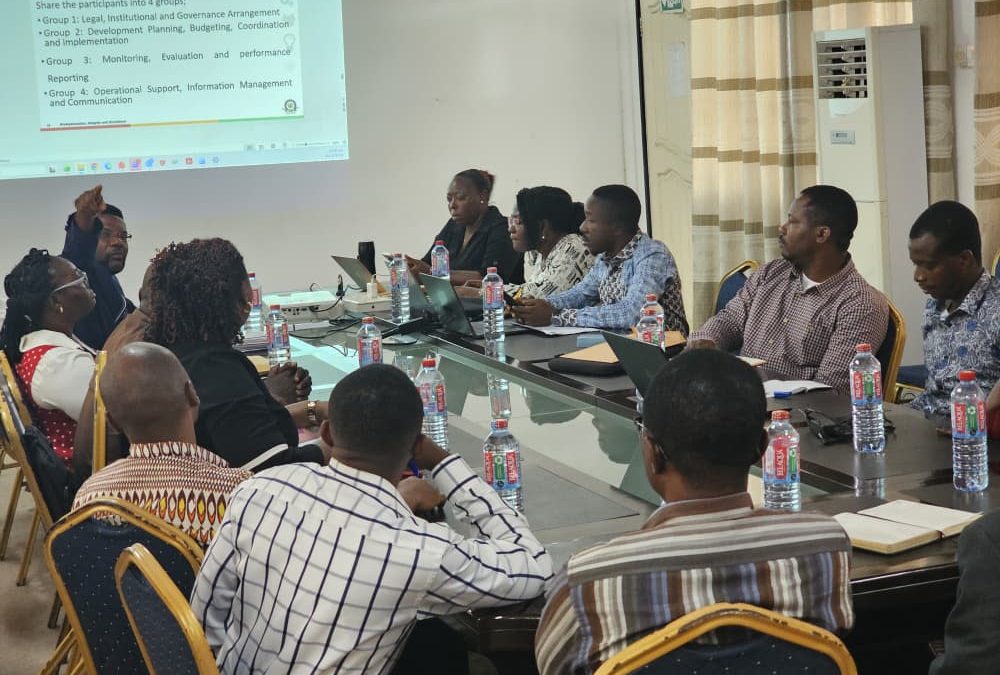
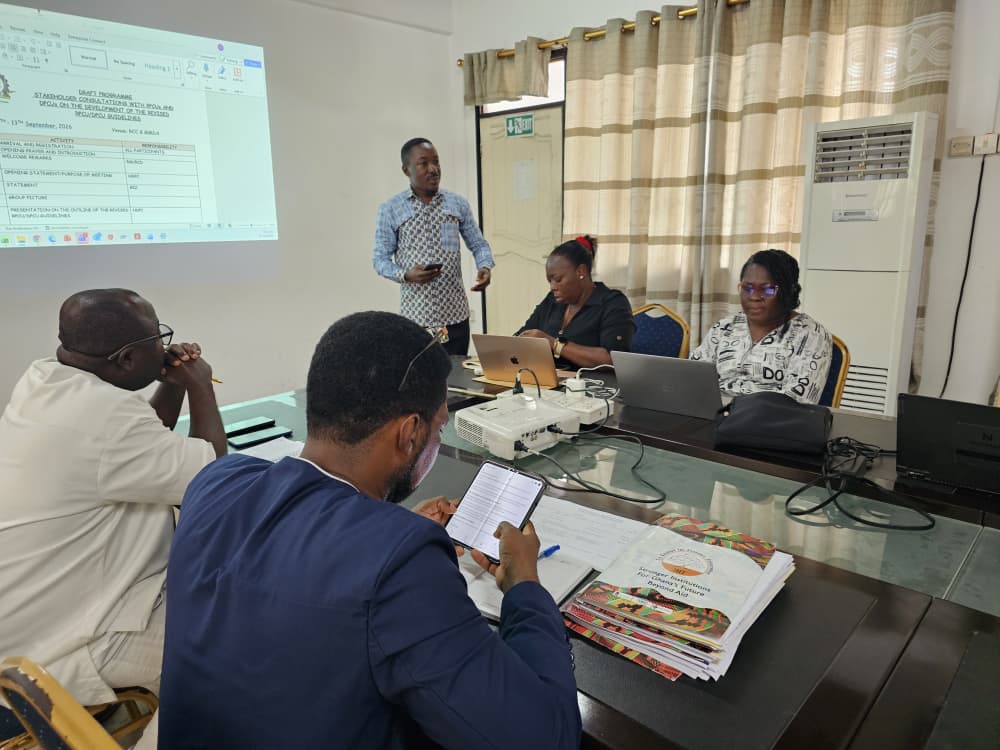
 Effective development does not happen in isolation. It requires consultation, collaboration, expertise, and the willingness of stakeholders to contribute meaningfully to the processes that shape our institutions and society.
During the 3rd Regional Planning Co-ordinating Unit (RPCU) meeting for 2026, a number of important issues were raised concerning the development of new guidelines and frameworks. The discussions highlighted the need to ensure that the final document reflects practical realities and the experiences of those who will eventually contribute to its implementation.
One key issue raised was the importance of using current and appropriate legal references. Participants emphasized that the relevant legislation must be carefully reviewed to ensure that the guidelines are aligned with existing laws and institutional structures.
The meeting also emphasized the need for active stakeholder participation. Suggestions were made for draft documents to be shared with stakeholders so that they could study them, provide inputs, and make practical recommendations. This approach would ensure that the final guidelines benefit from the knowledge and experience of people working directly within the system.
Another important area discussed was gender mainstreaming. Participants noted that gender remains a critical issue both in Ghana and globally. Where gender considerations were addressed during national stakeholder engagements, these should be reflected in the final framework to ensure that the guidelines are inclusive and responsive.
The Births and Deaths Registry also highlighted challenges associated with reporting. The absence of a coordinated reporting unit was identified as a concern, with a recommendation for a digitized reporting system and a review of specific reporting timelines. Such improvements could help make reporting more efficient, coordinated, and reliable.
Monitoring and reporting were equally identified as important areas requiring attention. Participants called for clear and specific areas of focus within monitoring teams so that improvements can be properly identified, tracked, and implemented.
A Call for Genuine Collaboration
In his closing remarks, the Chief Director and Regional Co-ordinating Director, Mr Simon Asare expressed appreciation for the contributions and expertise demonstrated by the stakeholders during the deliberations. He emphasized that their participation should go beyond a mere consultation.
The expectation is that the valuable primary information, recommendations, and practical experiences shared during the engagement will find expression in the new guidelines.
The process should therefore be about more than simply seeking opinions. It should be about building ownership, strengthening collaboration, and ensuring that stakeholders become part of both the development and implementation of the final document.
Our society is constantly changing, and new challenges and perspectives will continue to emerge. For this reason, stakeholder engagement must remain an ongoing process, with doors kept open for further contributions as new developments arise.
The Way Forward
“Strong institutions are built when people are allowed to contribute their knowledge and experience. By listening to stakeholders, embracing diverse perspectives, strengthening reporting systems, promoting gender inclusion, and ensuring that guidelines reflect current realities, we can create frameworks that are practical, inclusive, and sustainable”, he added.